A Charity Case Study
HOW WE WORK
COPYRIGHT 2026 ASTOP LIMITED ALL RIGHTS RESERVED

ASTOP regularly chats with its clients and partner organisations to share how access to space in otherwise vacant commercial buildings affects service delivery, builds organisational resilience, and creates local social value. These conversations form an important part of ASTOP’s learning-led approach, helping to ensure that strategy, policy, and advisory work are informed by real operational experience.
Our short case study video captures one such conversation. ASTOP spoke directly with Simon Westgarth of the Richmond Furniture Scheme. Simon explains how the flexible, short-term property arrangements we deliver benefit good causes in practice. The insights he shares provide valuable lessons in how charities can operate within a challenging property market and economic constraints.
The clip serves as a case study illustrating how ethical property use, when thoughtfully implemented, can support long-term organisational sustainability for charities, community groups, and good causes.
The Richmond Furniture Scheme is a furniture reuse charity based in Twickenham. The local charity collects, refurbishes, and redistributes furniture and household items to individuals and families in need. In doing so, it addresses social inequality and creates positive environmental impacts.
Over recent years, the charity has experienced steady growth in demand. A rise in rents and the cost of living has contributed to a greater need for furniture redistribution services. Fortunately, growing awareness of the issue has led, in parallel, to a greater willingness to donate unwanted items. While this growth reflects the organisation’s relevance and impact, it has also intensified operational pressure. Furniture takes up a lot of room and, without sufficient space, donations may need to be refused. For the Richmond Furniture Scheme, access to appropriate space was therefore central to its ability to operate.
Long-term commercial leases often present financial and contractual risks that do not align with the realities of charitable funding. Fluctuating demand also meant commitments over time didn’t suit Richmond Furniture Scheme’s requirements. Through ASTOP, Simon was able to move into space unsuitable for immediate commercial use made available to support community activity on a temporary basis.
Over a five-year period, ASTOP worked alongside Richmond Furniture Scheme to identify space that aligned with the charity’s operational needs, capacity, and timescales. The task required flexibility, dialogue, and a shared understanding of risk and opportunity.
Through this collaboration, the charity materially increased operational capacity, allowing larger volumes of furniture to be managed and collection and redistribution bottlenecks to be avoided.

Being housed in an appropriate space also enabled the Richmond Furniture Scheme to undertake temporary trading activity. The charity was able to operate a pop-up retail offering, creating an additional income stream alongside its core charitable work. Through such activity, the organisation generated over £24,000 in income and a net financial gain of approximately £20,000. This additional income could be used to support day-to-day operations and contribute to a shift from grant funding.
This ability to trade from flexible space allowed the organisation to enjoy greater financial resilience, improve mission delivery, and operate more entrepreneurially; all while remaining firmly aligned with its social purpose.
Amongst the additional benefits from shared, short-term space were opportunities for informal learning and collaboration. Being based alongside other charitable organisations and landlords in commercial property created space for relationship-building and mutual support.
For Richmond Furniture Scheme, this provided insight into how others navigated similar pressures. Economic uncertainty and shifts in demand are not uncommon amongst charities, community groups, and good causes. For ASTOP, these interactions reinforced the value of seeing ethical property use not simply as a space solution, but as a mechanism for strengthening local ecosystems and peer enrichment.
Being housed in an appropriate space also enabled the Richmond Furniture Scheme to undertake temporary trading activity. The charity was able to operate a pop-up retail offering, creating an additional income stream alongside its core charitable work. Through such activity, the organisation generated over £24,000 in income and a net financial gain of approximately £20,000. This additional income could be used to support day-to-day operations and contribute to a shift from grant funding.
This ability to trade from flexible space allowed the organisation to enjoy greater financial resilience, improve mission delivery, and operate more entrepreneurially; all while remaining firmly aligned with its social purpose.
The case of Richmond Furniture Scheme shares several broader lessons relevant to councils, property owners, landlords, and good causes. Firstly, access to space is often a determining factor in whether charities can grow and adapt to changing circumstances.
Flexible property arrangements can deliver multiple forms of value simultaneously. By reviewing the scheme’s achievement,s it is easy to see that financial resilience, environmental benefit, and social impact are not competing objectives. They can reinforce one another when space is used thoughtfully.
Finally, successful ethical property use depends on understanding operational realities. Solutions work best when they are shaped by dialogue and an appreciation of an organisation’s unique requirements. Learning from practice is essential. Real-world experiences provide insight that policy alone cannot. These lessons should inform future ethical property strategy, governance, and partnership working.
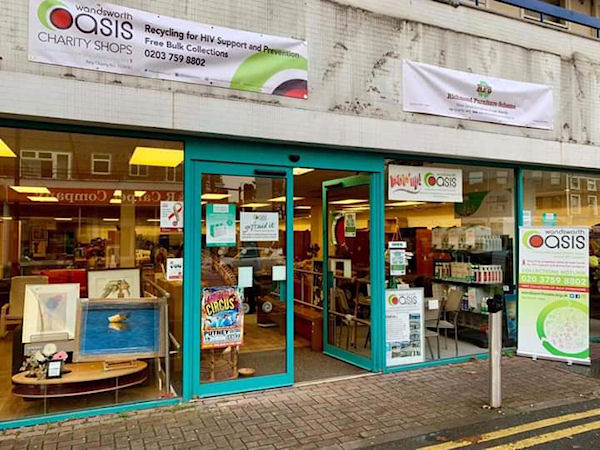
The experience of Richmond Furniture Scheme shows that access to flexible space enabled the organisation to expand capacity, improve service quality, strengthen financial resilience, and increase its environmental impact through reuse and waste reduction.
From ASTOP’s perspective, this case underlines the importance of grounding ethical property strategies in real operational needs. Success was not the result of a single intervention, but of sustained collaboration over a number of years. It is an approach we reflect in all the property services we provide for charities, commercial landlords and councils alike.
Whether you’re a landlord with empty space or a charitable organization seeking a home, we invite you to explore how ASTOP can help you make a positive impact on your community.
Let’s create meaningful change together. Partner with ASTOP and become a part of our mission to transform empty spaces into valuable community assets.

 The True Cost of Empty Commercial Property in 2026
Scroll to top
The True Cost of Empty Commercial Property in 2026
Scroll to top