

Why Delayed Development Sites Need a Short-Term Activation Plan
Development delays are not uncommon in the world of commercial property. Planning changes, funding issues, procurement and contractor delays, viability reviews, and stakeholder approvals can all push a proposed site off programme. For developers and project teams, these pauses may be understood and tolerated. They are generally manageable and, fortunately, temporary in nature rather than terminal. However, the outside world rarely sees the details that lie behind the delay. To concerned local residents, councils, businesses or even passers-by, a delayed development site can quickly start to look empty and forgotten. It is often assumed, for example, that there is no delayed development site strategy in place. Sites are left to rot. Unoccupied and uncared for. Such perceptions matter. An inactive site can create avoidable pressure on security, reputation, asset condition, and industry confidence. This is why many delayed development sites, to prevent problems ramping up, turn to a short-term activation plan. Considering “meanwhile” use for development sites is not necessarily a detour or distraction from the main scheme. It can, in fact, keep it on track. Any temporary activation for empty development sites can help manage the gap between where a project is now, where it needs to be, and critically, how it is perceived.
Why Delayed Sites Create More Problems Than Teams Expect
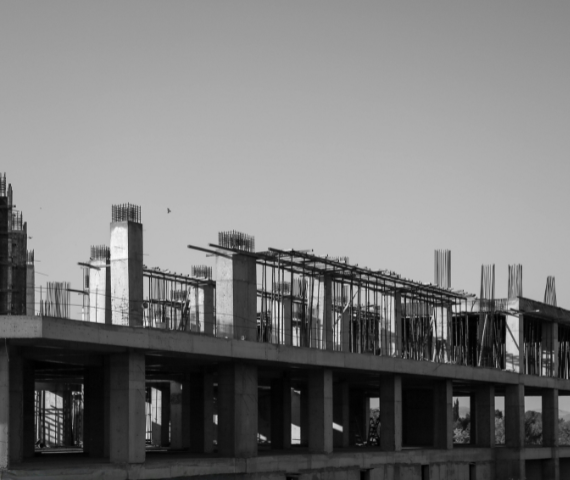
If you’re stuck with an unoccupied site due to development pauses, it is worth noting that opinions rarely stay neutral for long. Even when the underlying scheme is still viable and progress is being made, visible inactivity can create the impression that forward momentum has come to a halt. Fencing, empty windows, unused ground-floor space, boarded entrances or a lack of visible management can all affect how the site is perceived and how vacant development site risks are being mitigated.
The impact is often not only visual. A vacant development site risks anti-social behaviour, fly-tipping, rough sleeping, vandalism and unauthorised access. Buildings can deteriorate more quickly when they are not used, inspected, or properly ventilated. Small maintenance issues can become expensive defects. Local stakeholders may also become frustrated if a prominent site appears to be holding back a street, town centre or wider regeneration area, and relationships can turn punitive and costly. The overall financial impact of property vacancies has to be accounted for. For developers, these issues are important because they can create a second, parallel project alongside the original development: managing the consequences and, potentially, hidden vacant property costs associated with any pauses, delays and schedule slips.
What a Short-Term Activation Plan Actually Means
The term “short-term activation plan for development sites” refers to any structured approach to using, managing, or overseeing a site during a programme delay period. It is differentiated from other commercial property planning activities by the fact that it does not alter future development rights or create any sense of permanence or overall strategy. As the name suggests, activation is a fixed and time-limited process designed simply to maintain forward momentum. Stop-gap, ‘meanwhile use’, and interim solutions are all associated with short-term activation planning, keeping delayed sites active, and other forms of regeneration for paused development sites.
Short-term activation and keeping delayed sites active might involve a range of options, including temporary occupation of usable buildings, ‘meanwhile’ use for development sites, community-led activity, charity occupation, pop-up workspace, storage, arts or social value activity, depending on the site and the timescale. The key point is suitability. How to manage stalled development sites. A good plan considers the building, local area, risk profile, likely delay period and exit requirements before any interim use is agreed. Temporary activation for empty development sites works best when it is deliberate, controlled, documented and clearly aligned with the future programme.
Leaving A Delayed Site Dormant Is Rarely A Neutral Decision
Simply leaving a delayed site unused can feel like the simplest option, but inactivity often creates its own pressures. The risks involved in inaction are not always immediate. They tend to build gradually, then become harder and, potentially, more costly to manage. As periods of unoccupancy extend, issues can escalate more quickly than expected.
Security And Damage Risks Increase
Empty buildings and inactive sites can become more vulnerable to security risks over time. A lack of legitimate presence can make unauthorised access easier and increase the chance of vandalism, theft, break-ins or damage. Even where security measures are in place, a site with no active purpose can become harder to monitor effectively.
Stakeholder Confidence Starts To Drop
Councils, neighbours, local businesses and investors tend to lose confidence when a site appears stuck. They may understand that development is complex, but prolonged inactivity can still create uncertainty. A short-term activation plan helps show that the site is being managed with intent, even while the long-term programme is being reset.
The Surrounding Area Feels The Effect
A dormant site can affect the feel of a street, centre or regeneration zone, particularly when it sits in a prominent location. Empty frontage, hoardings and visible neglect can weaken footfall, local confidence and the sense of momentum in an area. Keeping delayed sites active can help reduce that sense of decline.
Holding Costs Keep Building
Even before construction restarts, costs continue. Developers may still face security, compliance, insurance, maintenance, business rates exposure and other vacancy-related costs. When a delay stretches from weeks into months, those costs can become significant. Ultimately, short-term regeneration for paused development sites can cost you less.
How Short-Term Activation Supports Developers
Short-term activation plans ought to be about more than just filling space. They should find practical ‘meanwhile use’ for development sites that add genuine value to the parties involved. This supports and protects developers from additional costs and reputational damage during a period when the main programme may not be moving forward.

Keeping The Site Active
It is perhaps self-evident that any active site tends to feel more controlled and less exposed than an empty, inactive one. Regular use and visible oversight can help change the way the site is understood locally. Instead of looking abandoned, the site retains a sense of purpose.
Protecting Your Assets
Regular occupation will help identify issues related to degradation and decay earlier than the sporadic, ad-hoc checks you might associate with keeping a site empty. Leaks, dampness, access problems, damage, or deterioration are less likely to go unnoticed when a building has responsible users or regular oversight.
Improving Local Perception
Temporary activation that creates a ‘buzz’ or adds community value to a space can change the public narrative around a delayed site. Councils, communities and stakeholders are more likely to view a developer as proactive when a clear interim use is in place, particularly when that use creates local benefits.
Supporting Regeneration Conversations
A delayed property development can still contribute to regeneration if it remains active and useful. A short-term plan helps demonstrate that the broader scheme still has direction, even if the delivery timetable has shifted. This can support conversations with councils, partners and local stakeholders. If the use is measurable, the short-term activation of a site can generate ROI evidence of social value, local engagement and community impact. This can be useful for reporting, stakeholder updates and future regeneration discussions. All this can also lead to indirect benefits to developers, such as business rates and CIL tax relief.
When A Short-Term Activation Plan Makes The Most Sense
A delayed development site strategy is especially useful when the project is paused for a defined but uncertain period. For example, planning may be delayed, the next phase may be funded but not ready to start, or the site may be waiting for contractor mobilisation. Viability changes can also create a pause while the scheme is reviewed, redesigned or re-costed.
Short-term activation can also make sense when buildings on site are usable, even if the wider development is not ready. A vacant office, retail unit, former community building or light industrial space may be suitable for temporary occupation while the surrounding project moves through its next stage. The key question is not simply whether the site is delayed. It is whether parts of the site can be used responsibly without compromising future development.
What A Good Short-term Activation Plan Should Cover
A practical activation plan should start with the likely delay period. A three-month pause requires a different approach from a two-year delay, for example. Any plan should then identify which parts of the site or building are genuinely suitable for temporary use, taking into account condition, services, access, safety and management requirements.
It should also consider who the likely occupiers or users could be. Not every temporary user will be right for every site. Compliance, safeguarding, insurance, fire safety, security and operational responsibilities need to be clear from the start. If this sounds complex, relax. ASTOP have years of expertise in this kind of property consultancy to share.
A good plan should also include an exit route. The arrangement must be able to end cleanly when the next phase begins, without creating legal or practical obstacles. Finally, developers should decide what outcomes they want to track, whether that is reduced vacancy risk, improved oversight, social value, community use or stakeholder engagement.

Why The Right Interim Use Matters
Not all temporary activity is useful. A poor fit can create extra friction, increase management pressure or cause reputational issues. The most effective interim use for delayed developments is one that matches the building, the delay period, and the surrounding area’s broader social and community needs. Local councils, for example, prefer to partner with ethical property developers who choose interim solutions that match their goals.
This is where charity and community occupation can be a practical route for delayed developers. For the right site, responsible charity use can bring legitimate activity into an empty building, support local services and create measurable social value. It should not be forced into every building, but when the fit is right, it can protect the asset while giving the site a positive interim role.
Why Activation Is Also A Regeneration Issue
A delayed site is not only a development issue. It becomes a place-based issue when it affects confidence, local activity and stakeholder sentiment. Prominent empty sites can weaken momentum in community regeneration spaces between planning phases, for example, even when significant work is underway behind the scenes.
Short-term charity activation of empty commercial space can help maintain visible progress while the scheme catches up. It gives developers, councils and regeneration teams a practical way to keep space working, reduce vacancy risks and support local outcomes during the interim period.
What A Better Outcome Looks Like
The difference between a dormant site and an activated one is often significant. A dormant site may become harder to explain, more expensive to manage and more exposed to risk. An activated site remains controlled, useful and easier to justify to stakeholders.
Better outcomes are unlikely if you ignore the problem or simply pretend delays do not exist. Positive results come from managing gaps in your timeline openly and practically. Site activation before development starts can protect the asset, support local confidence and create interim value while the long-term plan continues to move forward.
How To Manage Stalled Development Sites
ASTOP works with developers, property owners and regeneration stakeholders who need to assess whether a delayed site or building could support a responsible short-term activation plan. Our role is practical. We identify suitable spaces, consider appropriate interim uses, and connect properties with vetted charity or community occupiers. For teams seeking a short-term activation plan for development sites without allowing them to drift into decline, ASTOP can help create a controlled, purposeful and socially valuable interim strategy.
To explore whether a paused or delayed site could support responsible temporary activation or other issues around interim use for delayed developments, contact ASTOP for advice.

