

Why Empty Ground Floor Units Damage Town Centre Confidence
Not all empty commercial properties have the same public impact. An upper-floor office, rear service unit or back-of-site vacancy may create cost, security and management issues, but it does not always change how a town centre feels. It doesn’t have the same impact on how an area is perceived as an empty ground-floor unit does.
Ground floor commercial units are different. They are highly visible at driving and walking pace, from the pavement, by passers-by. They are associated with boarded windows, dark frontages, and repeated gaps between active shops. They can make a street feel quieter, weaker and less cared for. They can imply a community isn’t safe or secure.
For councils and place-based teams, empty ground floor units do not just bring practical property problems. They bring confidence problems. Prioritising visible vacant commercial units and exploring responsible temporary occupation or community use for them is one way of helping.
Why Ground Floor Vacancy Feels Different
Ground floor vacancy feels different because it is largely public. An empty shopfront shapes the view from the pavement and the impression visitors take away from a town centre. A repeated run of empty retail units can change the mood of an entire street, changing a potentially popular area with high footfall to a deserted place best avoided.
It is often assumed that empty ground floor units indicate poor management, poor maintenance or a lack of investment. This can sometimes be true, but often it is not. This can be the case, but often isn’t. Shops become empty for many reasons, including lease events, planning and legal delays, ownership changes, repairs and planned refurbishments.
However, the public doesn’t differentiate between good and bad vacancies. They only care about the visible effect. Interrupting active use of a ground floor unit interrupts what makes a street feel useful and alive. This can dent residents’ confidence, reduce civic pride and leave areas open to empty property risks such as deterioration, unauthorised access and anti-social behaviours.
How Empty Units Affect Local Footfall
Good footfall data doesn’t just record how many people enter a town centre. It also shows us where they go, how long they stay and whether they move confidently between different streets. When empty shops sit on a street, people have fewer reasons to pass through it. The routes and preferences of potential shoppers and service users change.
This can weaken pedestrian flow, reduce dwell time and make linked visits between businesses less likely. A customer who might have moved from a cafe to an independent retailer, then on to a market, library or service provider, may instead turn back, choose another route or simply go home.
The wider context makes this important. UK retail footfall is falling, with high streets and shopping centres feeling the pressure, in particular. With town centre visitor numbers difficult to protect, visible inactivity feels harder to tolerate.
Why Visible Vacancy Damages Confidence
Visible vacancy sends a message, even when the real situation is more complex. Residents may read the empty shops as evidence of neglect, even if it is part of a regeneration and investment programme, and in effect, the exact opposite. Visitors may assume there is less to do, less to experience and less reason to engage with a site where ground floor units are empty. Businesses may question whether to invest, renew leases or expand. Councils may face public pressure to act even where they do not own the buildings.
The impact of unoccupancy can be long-lasting. Empty retail units that stay vacant can make the slide into decay feel normal and inevitable. Once people see gaps in the frontage, quiet routes and inactive spaces, they expect to see more. The town centre may still have strong businesses, useful services and future plans, but visible vacancy can dominate the narrative, often unfairly.
Confidence matters because it affects decisions. A confident town centre is easier to promote, invest in, and defend politically. This is why any council empty property strategy should consider visibility, not just vacancy numbers, and focus on ground floor commercial units first.
Why Councils Should Prioritise Visible Units
Councils should not treat every empty shop or ground floor commercial unit in the same way. Some units have a bigger impact because of where they sit, how often they are seen and what they suggest about the wider town centre. A small unit on a secondary side street may still matter, but it will not usually shape public perception in the same way as a boarded-up shop on a main route.
A practical starting point is to prioritise the empty units the public sees most often. This typically includes corner units, gateway properties and spaces that form part of people’s first impression when they arrive. Units close to transport links, car parks, bus stops and stations should be near the top of the list, as should premises on main pedestrian routes. Councils may also want to prioritise vacant units near civic buildings, markets, libraries, health services, community facilities and other public utility spaces where visibility is especially high.
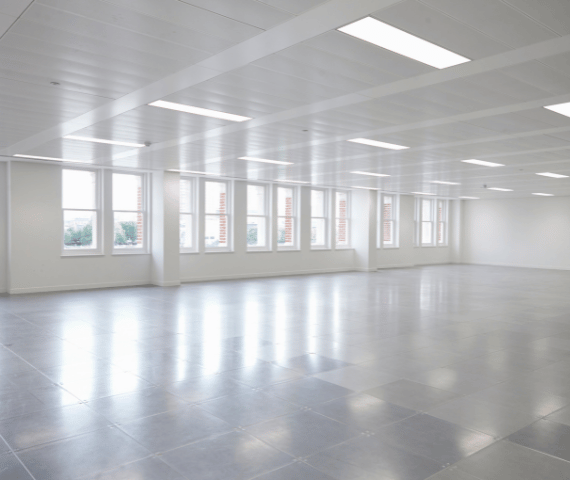
How Ground Floor Vacancy Affects Neighbouring Businesses
Empty units affect businesses still trading around them. When a street has several inactive frontages, neighbouring shops, cafes, services and venues may feel more exposed and less supported. A strong town centre relies on connection. People visit one business, notice another, cross the street, browse, pause and return. Empty ground floor commercial units interrupt that movement. They reduce the number of reasons for people to continue along a route and can make active businesses feel more isolated.
This can make trading conditions harder for nearby operators, especially where they rely on passing trade, impulse visits or linked trips. A cafe next to active shops, services and community uses benefits from a different street environment than one beside boarded windows and dark frontages.
For councils, this is why visible vacancy should be considered in relation to the surrounding businesses, not only the individual empty unit. Bringing responsible use back into a key ground floor space can help protect the confidence of neighbouring occupiers and improve the public perception of the street.
Temporary Occupation Can Help Restore Activity
Temporary occupation should never be considered a viable replacement for long-term regeneration, commercial leasing, investment or planning work. It is, however, a practical way to keep visible units active while longer-term decisions continue.
Charity occupation and community use can all help bring life back to a suitable street-level space on a wholly short-term interim basis.
For councils, this can form part of a wider plan to reduce vacancy without capital spend. The aim is not to hide the issue or present temporary use as the final answer. The aim is to keep the unit presentable, purposeful and active, so the public sees use rather than abandonment.
This should help turn empty space into community use in a way that is practical, visible and carefully managed.

What Good Temporary Use Achieves
Good temporary use brings visible activity back to the street. It makes the unit feel presentable, looked after and purposeful. This should give people a reason to notice the space for the right reasons, not because it appears forgotten. Vacant commercial units can be transformed in this way.
It helps if the temporary use and occupation is not a transparent commercial enterprise; it should visibly support a credible community need. This could mean a local charity, service project, or good cause using the space for the public benefit. The best examples do more than fill a gap. They add a positive story to the area.
For councils and partners, temporary occupation should be realistic. It should work with the property’s condition, location, and likely future and not make longer-term leasing, redevelopment or regeneration harder. Good temporary occupation creates breathing space while protecting local confidence. Strategy and investment are important, but visible action shows people that progress is happening.
How ASTOP Supports Councils With Empty Ground Floor Units
ASTOP works with councils, landlords and charities across the UK to explore practical occupation options for suitable empty commercial spaces. Where the property, location, and circumstances are right, empty ground floor units can be matched with charities and good causes that need space and can bring responsible activity back into the building.
This can help support councils with empty commercial spaces without needing major capital spend or waiting for every long-term commercial question to be resolved. Arrangements can be flexible and short-term, helping partners act on the units where visible occupation can make a practical difference.
The model does not solve every high street issue. Town centre vacancy can involve ownership, viability, leasing, planning, investment and local market challenges. ASTOP’s role is more specific: helping councils and partners identify where temporary occupation may reduce visible high street vacancy, support community benefit, and improve the feel of important streets.
ASTOP supports councils with empty commercial spaces. If empty ground floor commercial units are affecting confidence in your town centre, we can help assess where temporary occupation may be suitable. Share the property details or priority locations with the team, and ASTOP can help explore whether a charity or good cause could bring responsible activity back into the space.
Why do empty ground floor commercial units affect town centre confidence?
Because they are highly visible, empty shopfronts, dark windows and inactive spaces can make a street feel less busy, less cared for and less attractive to visitors, businesses and investors.
How do empty shops affect footfall?
Empty shops reduce the number of reasons people have to walk through or stay in an area. When several units are vacant, a street can feel less useful and less interesting, reducing passing trade for nearby businesses.
Why should councils prioritise ground floor vacancy?
Ground floor high street vacancy shapes the public experience of a town centre. Councils should prioritise the most visible units because they have the greatest impact on confidence, perception and the feel of the street.
Can temporary occupation help town centres?
Yes. Temporary occupation can bring activity, purpose and visibility back into empty units while longer-term commercial or regeneration plans continue.
What types of organisations can use empty ground floor units?
Charities, community groups, local services, good causes and meanwhile occupiers can all be suitable, depending on the property, location and intended use.
How can ASTOP help councils with empty town centre units?
ASTOP helps connect empty commercial spaces with charities and good causes, creating practical short-term occupation that can reduce visible vacancy and support local community benefit.

